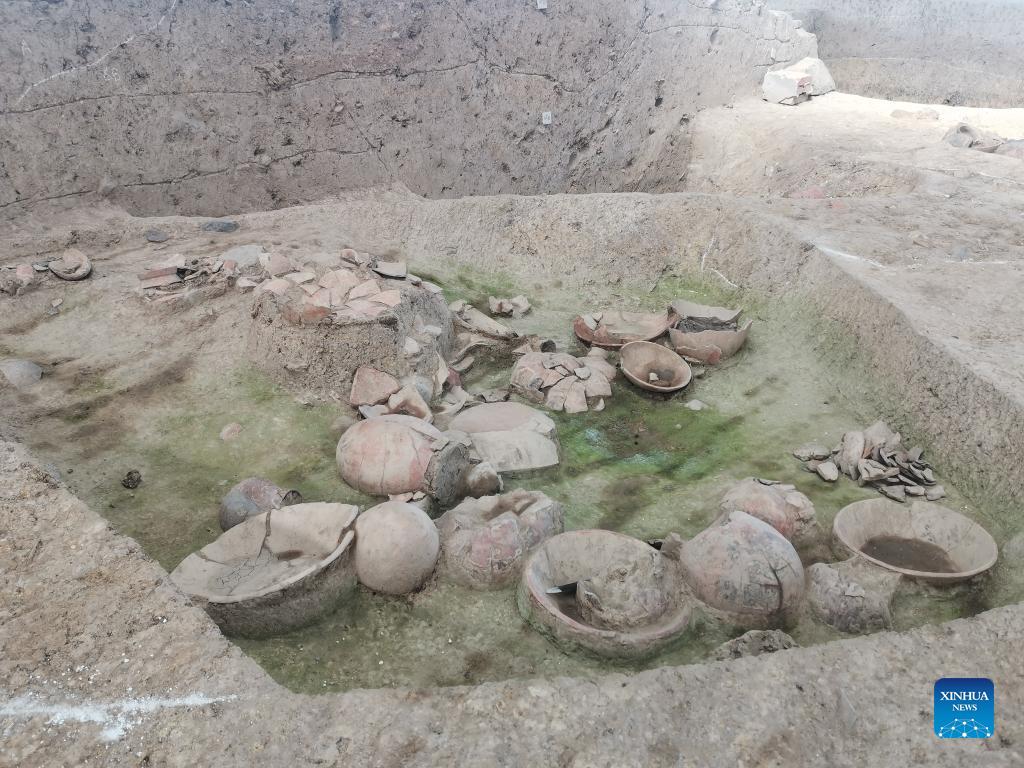
Qiaotou Site in Yiwu
Introduction
The Qiaotou site in Yiwu is a significant archaeological site that provides insight into the early Neolithic civilization in China. Located in East China's Zhejiang province, Yiwu is renowned globally as a central hub for commerce and small commodity production, often dubbed the "world's supermarket." However, beneath its modern, bustling façade lies an ancient cultural heritage, exemplified by the Qiaotou site. This site, dating back approximately 9,000 years, is a testament to the rich and diverse history of the region. It is part of the Shangshan Culture, which is considered one of the earliest Neolithic cultures in China. The discoveries at Qiaotou include evidence of early human settlement, agricultural practices, and cultural activities, providing critical insights into the lifestyle and beliefs of ancient people.
Location and Discovery
The Qiaotou site is situated in Qiaotou Village, just west of downtown Yiwu, in Zhejiang province, China. This area is part of the lower reaches of the Yangtze River, a region known for its rich historical and cultural significance. The site was first discovered in 2012, amidst Yiwu's rapid urban expansion and development. Its discovery was a significant milestone in Chinese archaeology, as it unveiled one of the earliest indicators of Chinese civilization. Archaeologists have since been conducting extensive excavations to uncover the hidden stories of this ancient site. The true extent of its significance was recognized in 2019 when it was listed as one of the "Top 10 Archaeological Discoveries in China."
Archaeological Excavations
Excavations at the Qiaotou site began in 2014, with archaeologists uncovering a wealth of artifacts and relics that paint a picture of a vibrant Neolithic community. The site covers an area of approximately 2,400 square meters and is characterized by a central mound surrounded by artificial trenches, indicating a well-organized settlement layout. The archaeological team has unearthed domesticated rice, stone tools, painted pottery, and tombs, which offer compelling evidence of early human settlement and cultural practices. Notably, the discovery of residues of starch, phytolith, and fungi in pottery vessels suggests that the ancient inhabitants were engaged in brewing alcoholic beverages, likely using methods similar to those employed in rice wine production today. The discovery of two human skeletons, speculated to be the earliest of their kind in Zhejiang, further underscores the site's historical significance.
Cultural Significance
The Qiaotou site is a crucial link to understanding the Shangshan Culture, which dates back to around 11,000 to 8,500 years ago. This culture is recognized for its pioneering role in early rice cultivation and its contribution to the development of Neolithic civilization in China. The artifacts and remains found at Qiaotou provide vital clues about the social and cultural dynamics of the period, including burial practices, which suggest a complex belief system involving rites and possibly sacrificial ceremonies. The site's evidence of early beer brewing highlights the cultural sophistication of the community, as they utilized available resources to create alcoholic beverages—a luxury at the time due to the relatively low grain yield. These findings underscore the cultural and historical richness of the Qiaotou site, offering a window into the lives of ancient inhabitants.
Artifacts and Relics
Among the numerous artifacts uncovered at the Qiaotou site are various colored pottery items, including red and white pots, plates, and jars. These artifacts reflect the aesthetic sensibilities and artistic skills of the ancient community. The pottery, both intact and fragmented, was found in several pits, indicating their use in daily life as well as in ceremonial contexts. The presence of stone tools suggests that the inhabitants engaged in agricultural activities and tool-making, further supporting the evidence of domesticated rice cultivation. The discovery of two tombs and a complete male skeleton provides further insights into the community’s social structure and burial customs. These artifacts and relics are invaluable in reconstructing the historical narrative of the Qiaotou site and understanding its place within the broader context of Neolithic cultures in China.
Conservation and Preservation Efforts
The preservation of the Qiaotou site is of paramount importance to safeguard its cultural and historical legacy. The site faces challenges due to environmental factors and the rapid urbanization of Yiwu. Efforts are underway to protect and conserve the archaeological remains, employing modern techniques to ensure their integrity for future generations. The acidic red soil at the site poses a particular challenge for the preservation of organic materials, prompting further investigation and innovative conservation strategies. The local and provincial cultural relics and archaeology institutes play a critical role in these efforts, collaborating to develop sustainable preservation plans that balance the needs of cultural heritage conservation with the pressures of urban development.
Academic Research and Publications
The Qiaotou site has garnered significant academic interest, leading to numerous research studies and publications that explore its archaeological and cultural dimensions. One notable study, published in the journal PLOS ONE, highlights the early evidence of beer brewing at the site, drawing parallels between ancient techniques and modern rice wine production methods in Yiwu. These academic endeavors are essential for advancing our understanding of the site and its significance within the broader context of Neolithic studies. Researchers continue to investigate various aspects of the site, from its agricultural practices to its social and cultural dynamics, contributing to a growing body of knowledge that enriches our appreciation of early Chinese civilization.








